Executive Summary
Chinese companies are rapidly expanding in Southeast Asia, attracted by strong market potential, low costs, and the “China + N” strategy. Major opportunities lie in EVs, healthcare, and renewable energy. Companies face challenges such as complex regulations, intense competition, talent shortages, and uncertain US tariffs. Success depends on localizing operations, developing talent, and building local partnerships. SEA is a key region for sustainable long-term growth.
Introduction: Why SEA Now?
In 2024, China’s outbound direct investment reached USD 162.8 billion. Investment in ASEAN grew 13% from the previous year. This growth was higher than the overall 10% increase. The main destinations were Singapore, Indonesia, and Thailand. Chinese manufacturing companies led the expansion, making up 40% of all overseas-expanding firms. More than half of these companies earned over 40% of revenue from overseas markets in FY2024. Overseas business is now a key growth engine for Chinese firms.
SEA attracts companies due to its young, growing population, fast GDP growth, low labor costs, and rapid digital adoption. Supply chain diversification is another factor. The “China + N” strategy builds production and sourcing bases outside China. It reduces risks from geopolitics, trade, and pandemics. SEA is ideal because of its proximity, cultural links, and improving infrastructure. Meanwhile, market saturation in China pushes companies abroad.
Opportunities for Chinese Companies in SEA
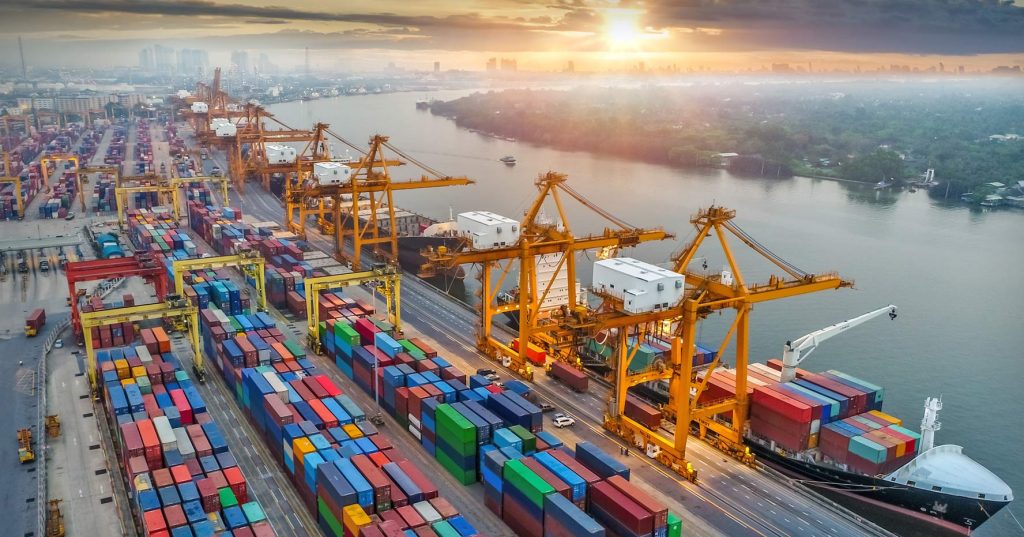
The “China + N” strategy is driving more global brands and manufacturers to shift part of their production from China to SEA to reduce geopolitical and cost risks. At the same time, Chinese companies, facing strong domestic competition, are moving into overseas markets, with SEA as a key focus. This has led to a rapid restructuring of the region’s industrial chain and created new openings for supporting industries. However, manufacturing capacity in many SEA countries remains limited, especially in precision manufacturing, automation, core components, and supply chain systems. This creates a “capacity gap,” where local demand is growing fast but local production cannot keep up. For Chinese companies with strong manufacturing capabilities, quick response times, and modular production models, this gap offers major supply opportunities.
Automotive (EVs and batteries)
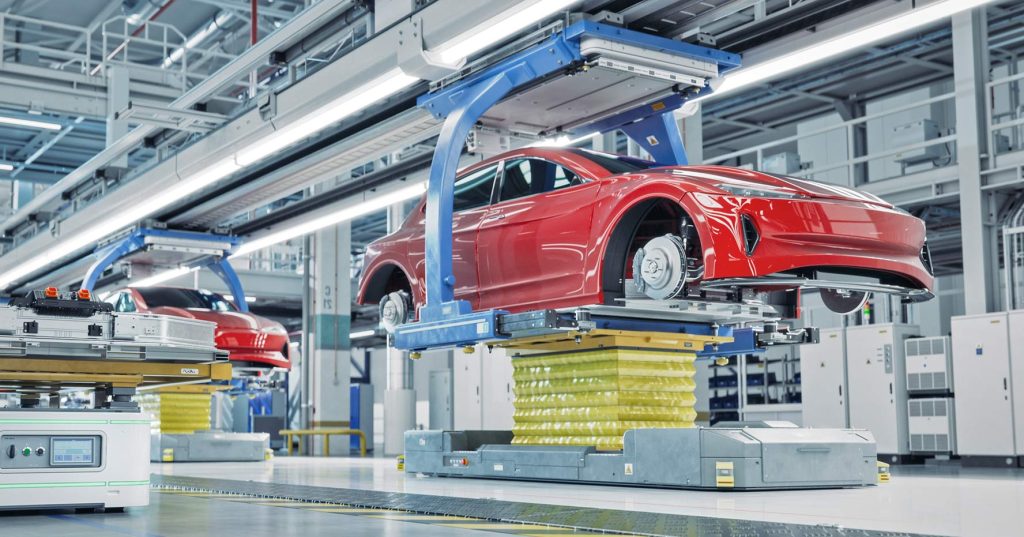
The electric vehicle market in SEA is expanding fast, creating new opportunities for Chinese companies across the automotive industry chain. They can use their advantages in technology, manufacturing, and cost control to increase sales and set up local production. SEA can also serve as an export hub. PwC projects that by 2030, the region will produce 6 million vehicles, with about 2 million for export. This will help Chinese companies grow their global presence and strengthen their market influence.
Indonesia, holding 22% of the world’s nickel reserves, attracts Chinese companies to build a full vertical chain from mining to battery manufacturing. In Thailand, electric vehicle adoption is expected to rise from 4% in 2023 to 30% by 2030, creating demand for charging stations, connected car services, and related industries.
Healthcare & Medtech
SEA’s healthcare sector is undergoing a profound transformation, offering unique entry points for Chinese MedTech and digital health firms. Rising healthcare expenditure—now exceeding US $156 billion in ASEAN, up 42% in five years—combined with an aging population is generating acute demand for affordable, accessible care. Chinese firms can seize this momentum by localizing manufacturing and assembly of medical devices to meet regulatory and cost-sensitive needs, deploying telehealth platforms—especially in specialist verticals such as maternal or chronic care—to capitalize on underserved demand, and establishing robust logistics and cold-chain networks to support the rising flow of medical goods.
Energy
SEA’s energy demand is growing rapidly due to industrialization, urbanization, and rising electricity consumption. Renewable energy, especially solar and wind, is a key focus as governments aim to reduce carbon emissions. Chinese companies can invest in power generation, grid infrastructure, and energy storage projects. There are also opportunities in electric mobility infrastructure, such as charging networks. By leveraging technology and experience, companies can help the region expand clean energy while building long-term business presence.
Critical Challenges to Navigate
- Regulatory and Political Complexity
ASEAN countries have different laws. Indonesia requires a certain percentage of local content in products. Thailand limits foreign ownership in some sectors. These rules make compliance difficult. Labor laws also vary. For example, Indonesia requires manufacturing companies to hire 95% local employees. The Philippines has strict regulations on severance pay. Chinese investments can also face political sensitivity. Some projects are delayed due to concerns about Chinese influence.
Local companies and foreign competitors are strong. Indonesia’s Gojek dominates tech services. Malaysia’s Sime Darby is a leading manufacturer. Chinese companies must compete with these established players to gain market share.
- Limited On-the-Ground Experience and Cultural Integration Risks
Hiring and retaining talent in SEA is challenging. Many countries restrict foreign employees and have complex work visa processes. Local skill levels vary. Singapore has highly skilled labor, while Cambodia and Laos have scarce talent. Companies may need to invest in costly training. Although wages are lower than in China, rising salaries and currency fluctuations can reduce labor cost advantages.
- Uncertainty Around US Tariffs in the future
The US has recently imposed reciprocal tariffs on key SEAn countries. Cambodia, Thailand, Malaysia, and Indonesia face a 19% tariff. Vietnam faces a 20% tariff, plus an additional 40% on goods exported via transshipment through Vietnam. Myanmar and Laos are subject to a 40% tariff. The impact of US tariffs on Chinese companies exporting to or operating in SEA remains unclear. This uncertainty can affect supply chain decisions and costs.
Strategic recommendations for companies entering or expanding in SEA
- Market Selection: For companies entering or expanding in Southeast Asia, selecting the right market is crucial. Focus on countries with strong demand, growing industries, and adequate infrastructure to ensure effective allocation of resources.
- Localization: Navigate regulatory requirements and local laws carefully. Hire local talent and invest in their skills development. Adapt products, operations, and marketing strategies to meet local needs in order to build trust and strengthen market presence.
- Leverage Regional Integration: Take advantage of ASEAN’s single market framework to streamline cross-border operations. At the same time, tailor strategies to country-specific conditions to maximize effectiveness.
- Prioritize Local Partnerships: Collaborate with local firms to better navigate regulatory environments, build trust with stakeholders, and gain access to established distribution and business networks.
Conclusion
SEA offers real opportunities for Chinese companies. Success depends on handling regulations, culture, and operations. Companies that localize, invest in talent, and focus on competitive sectors can grow sustainably. SEA is a key region for long-term expansion.
References:
- Overview of the ASEAN-6 Automotive Market – PwC
- Overview of China Outbound Investment of 2024 – EY